Gdynia, Polska

Navigation

I stopnia inżynierskie
Spis treści
annie-spratt-GPCgLbBevQg-unsplash

⇑Navigation na UMG

Język wykładowy: angielskiStudia w języku angielskim
Grupa kierunków: inżynieryjno-techniczne
System studiów: sta­cjo­nar­ne
Opis kierunku na stronie UMG:
umg.edu.pl/navigation-platne-w-j-angielskim
Studia inżynierskie na stronie UMG:
umg.edu.pl/kierunki-studiow-I-stopnia

⇑Why study Navigation at UMG?

dlaczego-warto-studiowac-na-umg
Why study it:

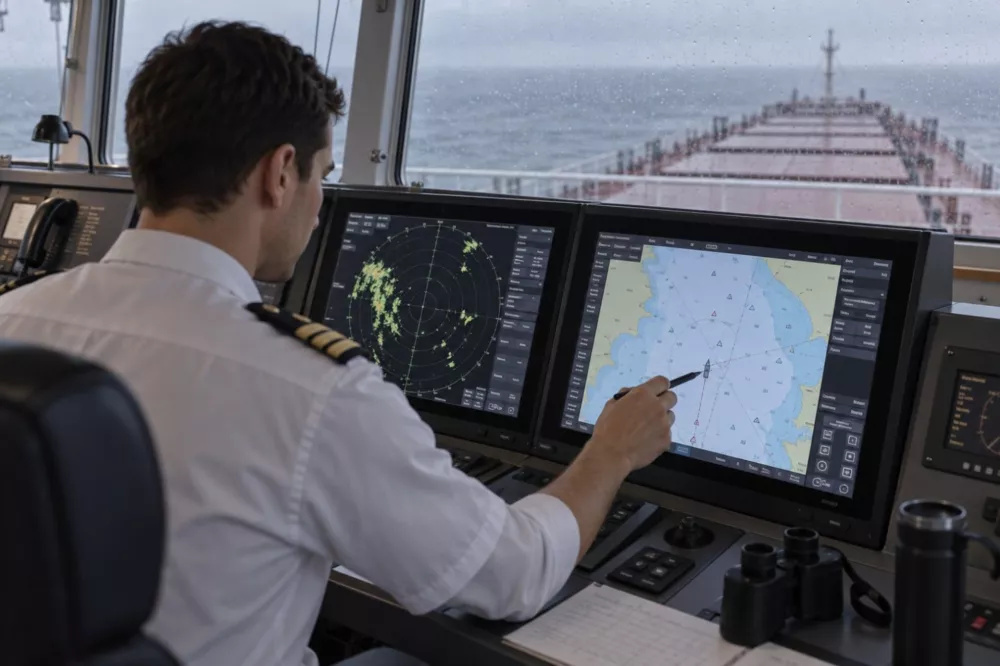
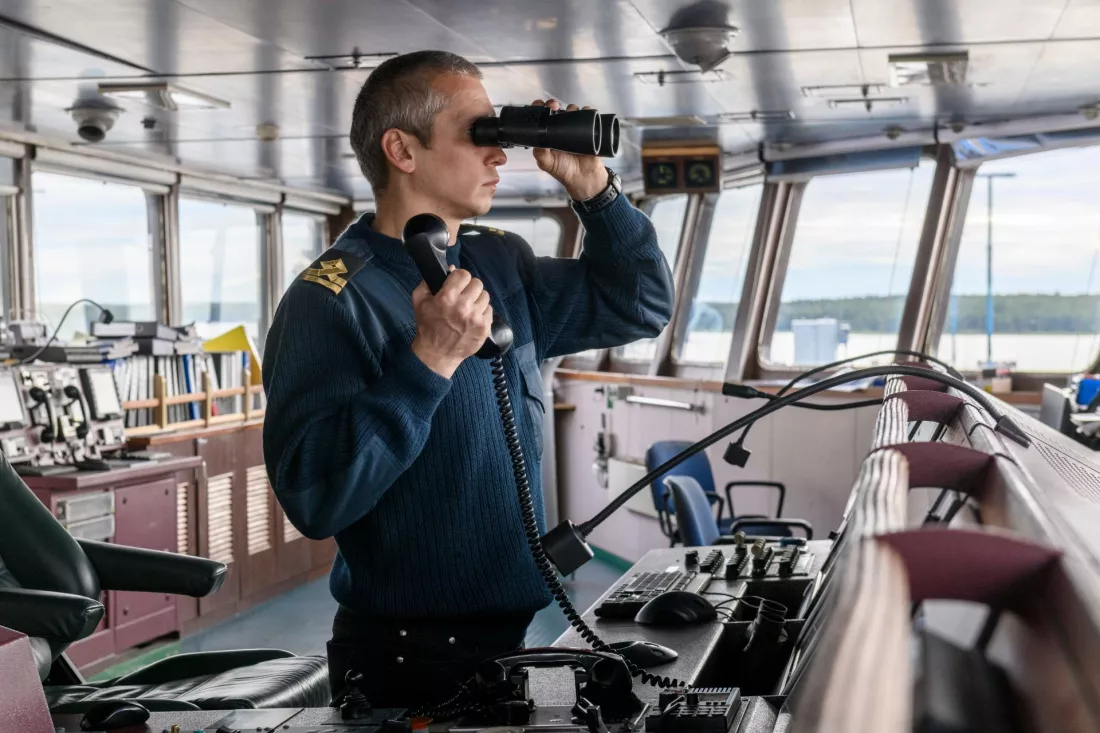
Uniwersytet Morski w Gdyni (UMG) – Gdynia Maritime University – runs Navigation in English as full-time, eight-semester engineering studies with a practical profile at the Faculty of Navigation. The programme is for people who see their future at sea and in shipping, and want to work as ship officers trained to the international STCW standards.

Programme: from astronavigation to GMDSS

Core subjects and skills include:

  • navigation, astronavigation and navigational equipment
  • ship stability and construction, and carriage of goods by sea
  • meteorology and oceanography
  • voyage planning, navigational watchkeeping and ship handling in line with COLREG
  • communication using GMDSS and operation of basic shipboard systems
  • fire-fighting, evacuation and life-saving systems at sea

Specialisation: maritime transport

One maritime specialisation: the programme is taught as Maritime Transport (Transport Morski), and candidates need a secondary-school leaving certificate and a maritime health certificate.

Placements: Dar Młodzieży, Horyzont II and merchant ships

Sea training in brief

  • Before studies7–10 days on the Dar Młodzieży – ship routine, teamwork, emergencies and drills
  • Dar Młodzieżyseaman's and navigation placements, 30–36 days each – ropes and sails, manoeuvring stations, ECDIS, astronavigation
  • Horyzont II14 days of ship handling and radar navigation
  • Merchant shipsthe remaining 9 months of sea service on selected vessels

Qualifications: officer of the watch diploma

After the first year you complete the basic safety and security course needed for sea training on the Dar Młodzieży; with these certificates and a maritime health certificate you receive a seaman's book to record supervised sea service. After the 6th semester and a three-month placement you can obtain a seafarer's certificate, which can help you find a placement on merchant ships, and after the 7th semester you can hold all the certificates required by STCW for the officer of the watch diploma. Part of the specialist training is built into classes, and extra courses are run according to shipowners' needs.

Your engineering degree, together with the required sea service and specialist training, allows you to obtain the officer of the watch diploma confirmed by the Maritime Administration – the first step towards officer and then captain positions.

After graduation: at sea and ashore

Graduates can work on almost all types of merchant ships worldwide, including specialised vessels, for example in the offshore sector. With experience as an officer of the watch, you can move on to shipowners' offices. Another path is a specialist role in companies that design, supply and service navigation, safety and security systems and other installations used on seagoing ships.

As of the 2026/27 admissions, based on the programme pages at umg.edu.pl.

Opis kierunku na stronie UMG:
umg.edu.pl/navigation-platne-w-j-angielskim

⇑Test: sprawdź czy Navigation to studia dla Ciebie!

maxim-hopman--16na5rDDRk-unsplash

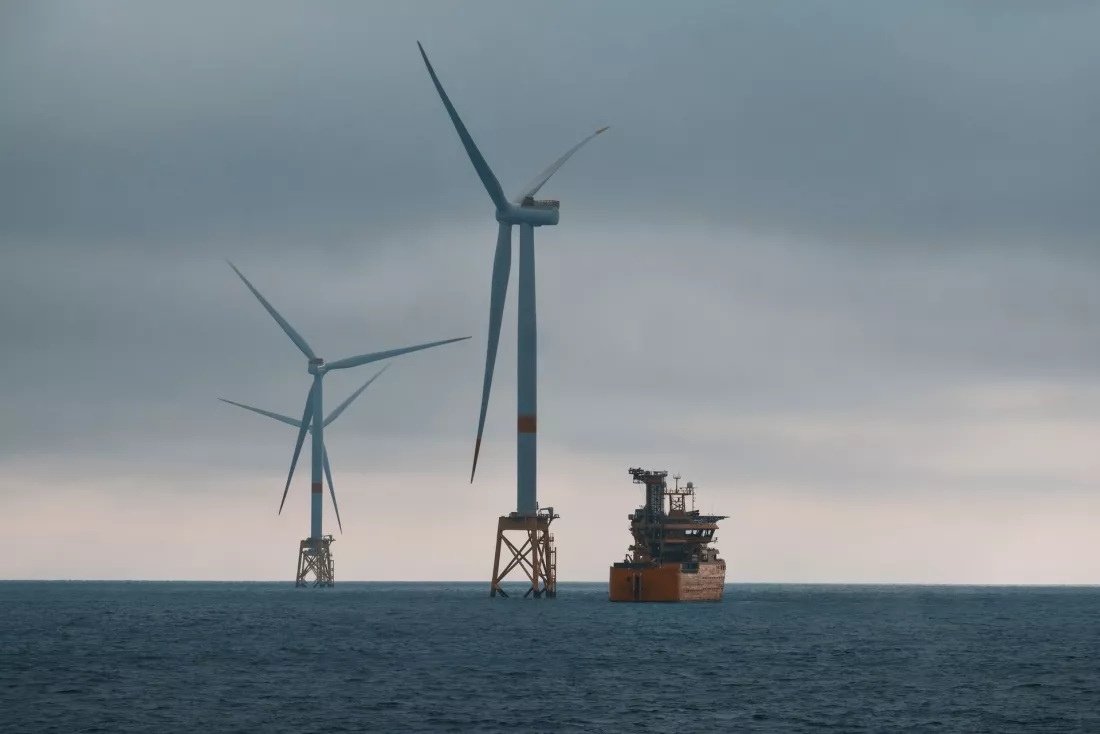
Sprawdź, czy Inżynieria Przemysłowa i Morskie Elektrownie Wiatrowe to kierunek dla Ciebie!

1. Czy interesuje Cię optymalizacja procesów produkcyjnych w skali przemysłowej?

2. Czy fascynuje Cię projektowanie fundamentów i konstrukcji pod morskie farmy wiatrowe?

3. Czy masz ochotę zajmować się montażem i uruchamianiem turbin wiatrowych na morzu?

4. Czy ciekawi Cię zdalny monitoring i analiza pracy morskich elektrowni wiatrowych?

5. Czy masz zdolności analityczne i chciał(a)byś optymalizować logistykę transportu elementów turbin?

6. Czy fascynuje Cię analiza wytrzymałości materiałów w trudnych warunkach morskich?

7. Czy interesuje Cię zarządzanie bezpieczeństwem i konserwacją morskich instalacji wiatrowych?

8. Czy chciał(a)byś projektować systemy automatycznego serwisu i inspekcji turbin?

9. Czy interesuje Cię planowanie i nadzór nad liniami produkcyjnymi komponentów morskich elektrowni?

10. Czy pragniesz uczestniczyć w badaniach nad innowacjami offshore i procesami przemysłowymi?

Opis kierunku na stronie UMG:
umg.edu.pl/navigation-platne-w-j-angielskim

Kontakt:

ul. Morska 81-87
81-225 Gdynia

Wiadomości:

Polityka Prywatności