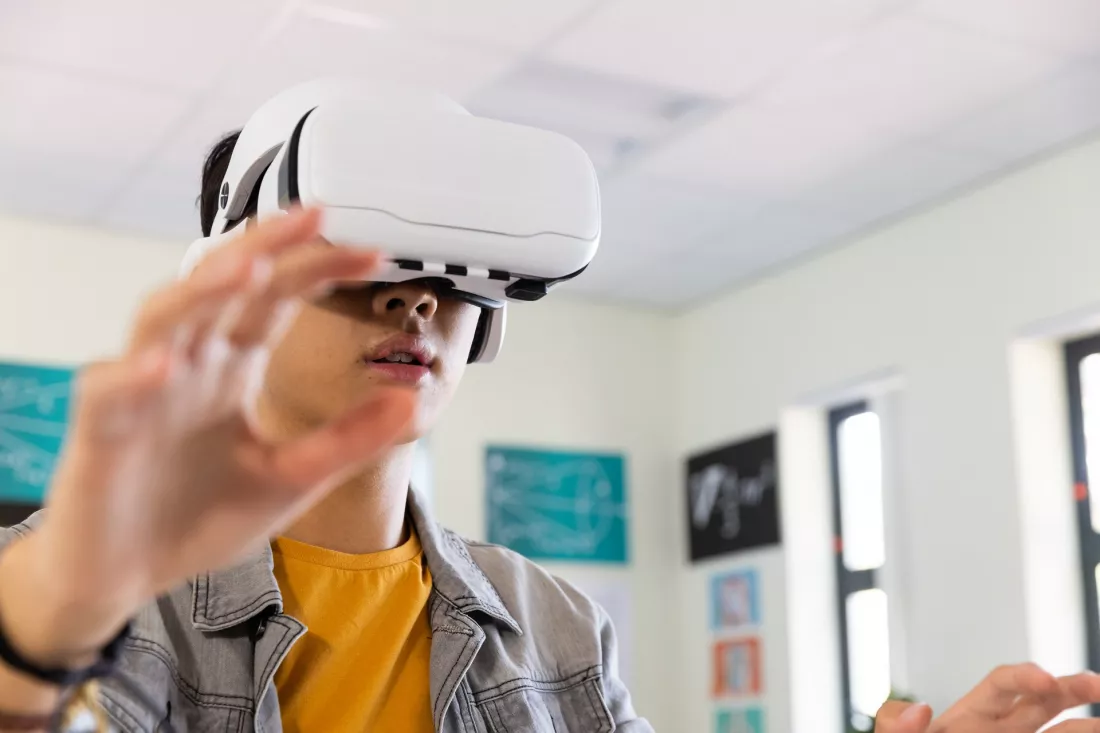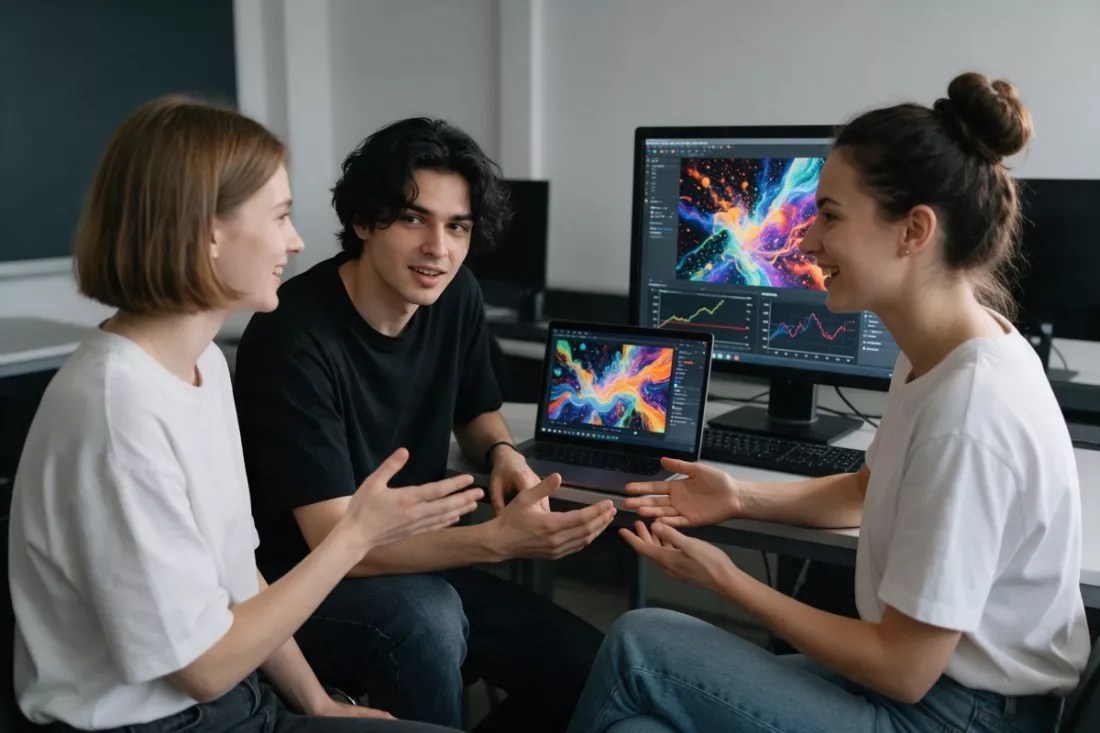



Generative AI Engineering is a specialisation within the Computer Science programme, a full-time Bachelor's course taught in English at the Polish-Japanese Academy of Information Technology (PJAIT). It is aimed at those who want to build, tune and deploy modern generative and multimodal AI systems.
The specialisation follows the whole lifecycle of an AI system, and you work with:
The specialisation courses are Deep Learning in Python, which covers fundamental and advanced techniques, model implementation and projects, and Generative AI, which deals with modern generative and multimodal models, optimisation, alignment and agent-based systems. Project-based classes follow: the first concentrates on AI and MLOps systems engineering and model-as-a-service deployment, the second on trends such as scaling laws, security and model economics, and the third prepares you for writing and presenting your thesis. In the sixth semester you are encouraged to take the elective Methods of Knowledge Engineering.
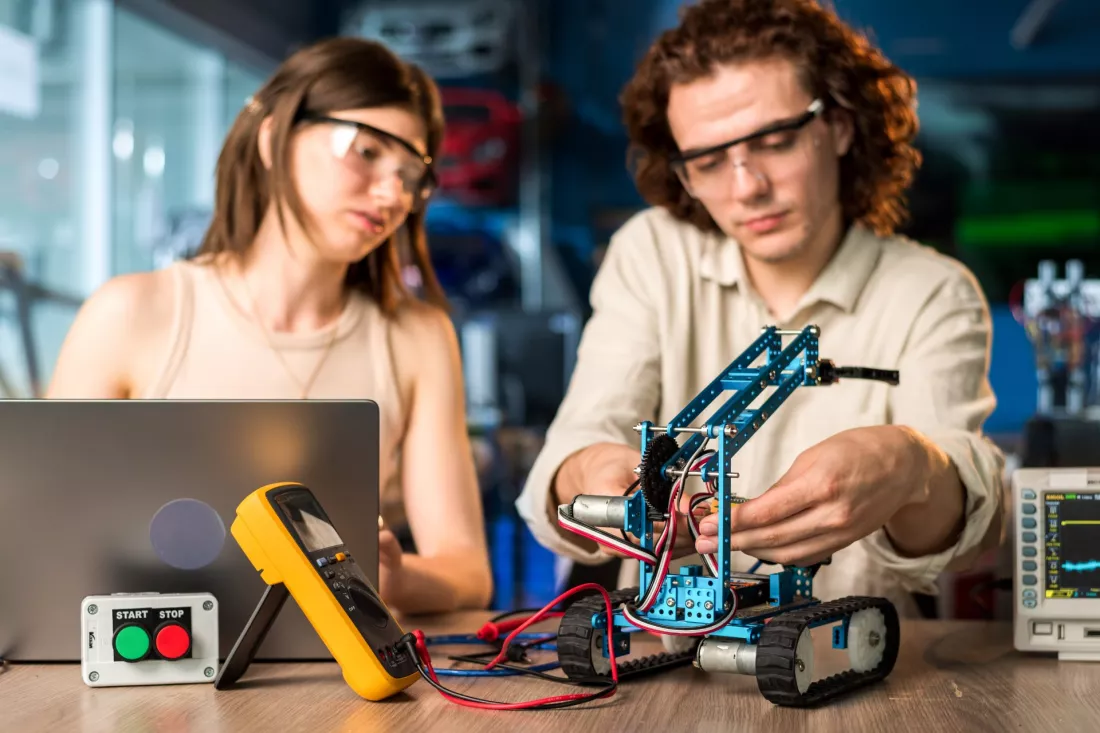
The labs are project-based and engineering-focused. You implement models from scratch in NumPy, PyTorch and TensorFlow, build RAG, multimodal search and diffusion systems, and then turn them into working services with FastAPI, Docker, data pipelines, monitoring and deployments on Kubernetes.
Graduates are prepared to work as AI engineers, ML engineers or generative systems specialists, in fields such as IT, robotics, the creative sector, medicine and data analysis.
Because the programme stresses practical implementation, you can join both product teams and research and development teams. Thesis topics show the direction: a RAG system for knowledge retrieval, a multimodal image-text search based on CLIP, or the optimisation of language models with LoRA and quantisation.
Based on the programme pages at pja.edu.pl.

10 pytań · dwie minuty

Stolica pełna możliwości
Warszawa, jako centrum polityczne, gospodarcze i kulturalne kraju, otwiera przed studentami nieograniczone szanse na nawiązywanie kontaktów oraz uczestnictwo w prestiżowych wydarzeniach. To miejsce, gdzie działalność instytucji publicznych i międzynarodowych organizacji tworzy unikalne środowisko sprzyjające rozwojowi zawodowemu.
Dynamiczny rynek pracy
Miasto przyciąga największe przedsiębiorstwa oraz innowacyjne startupy, co zapewnia dostęp do licznych praktyk, staży i projektów współpracy. Dzięki temu studenci szybko zdobywają praktyczne umiejętności, które przekładają się na dynamiczny start kariery zawodowej.
Bogata oferta kulturalna i rozrywkowa
Warszawa oferuje szeroki wachlarz wydarzeń kulturalnych, od koncertów i wystaw, po festiwale i spektakle. Ta różnorodność pozwala studentom nie tylko na relaks, ale również na rozwijanie zainteresowań i twórczego podejścia do życia poza uczelnią.
Międzynarodowy charakter
Spotkanie studentów i profesjonalistów z całego świata sprawia, że warszawskie środowisko naukowe jest wielokulturowe i otwarte. Ta globalna wymiana doświadczeń wzbogaca perspektywy edukacyjne i przygotowuje do pracy na arenie międzynarodowej.
Nowoczesna infrastruktura
Rozbudowana sieć transportowa, nowoczesne kampusy, centra naukowe oraz przestrzenie coworkingowe zapewniają komfortowe warunki do nauki i badań. Warszawa inwestuje w rozwój technologiczny, co umożliwia studentom korzystanie z najnowszych rozwiązań i zasobów miejskich.